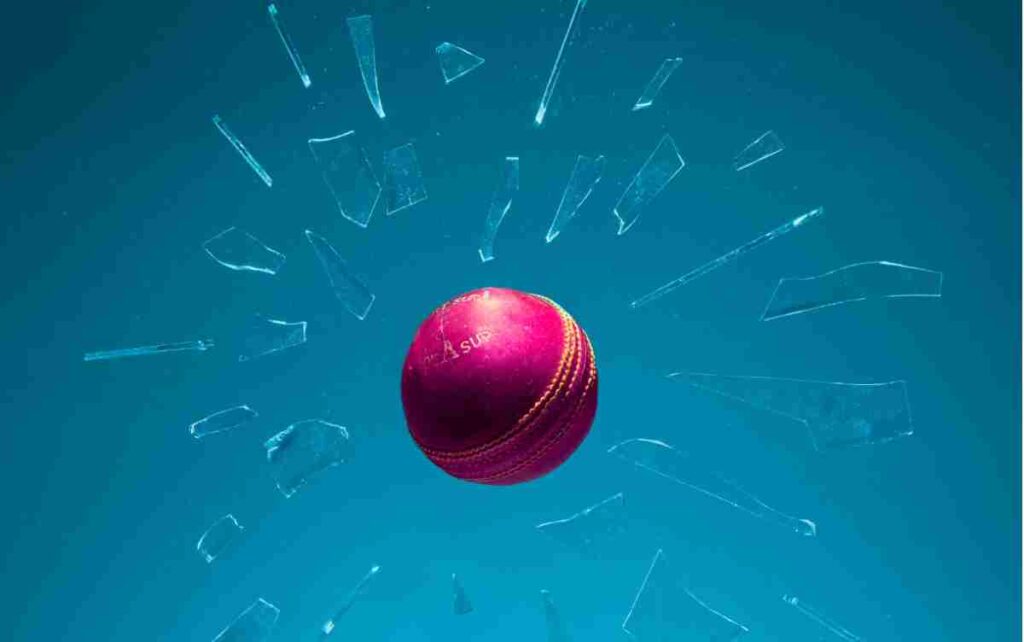
Cricket has produced some of the most extreme records in the history of professional sport. Because the game spans multiple formats, surfaces, and eras, it allows achievements that would be impossible elsewhere. From matches lasting nearly two weeks to individual performances that defy logic, cricket’s statistical history is full of moments that still shock fans today.
What makes these facts especially compelling is that they are not myths or exaggerations. Every record listed here is officially recognized and documented. These numbers are frequently revisited in analytical discussions, historical breakdowns, and even broader sports-content ecosystems where cricket storytelling appears alongside entertainment platforms such as play bison, reflecting how deeply statistics shape fan engagement with the game.
Records That Still Seem Impossible Today
Some cricket records are so extreme that modern conditions make them almost untouchable. Changes in scheduling, pitch preparation, fitness management, and format structure mean that certain feats belong permanently to history.
Before looking at individual cases, it’s important to understand that many of these records were set in eras with uncovered pitches, unlimited match durations, or vastly different tactical priorities.
The Longest Match Ever Played
The longest officially recognized Test match took place between England and South Africa in 1939 at Durban. Known as the “Timeless Test,” it lasted 9 days of play (spread over 12 calendar days) and still ended in a draw because England had to catch a ship home.
Key details:
- Total runs scored: 1,981
- England required 42 runs to win with 5 wickets in hand
- Match abandoned purely due to travel constraints
No modern Test match can replicate this, as all Tests today are capped at five days.
The Highest Individual Score in Test Cricket
In 2004, Brian Lara scored 400 not out against England, setting the highest individual score in Test cricket history. What makes this record remarkable is not just the number, but its context.
Lara faced:
- 582 deliveries
- 43 fours and 4 sixes
- A full-strength England bowling attack
No other player has crossed 375 in a Test innings, and modern declaration strategies make a higher score extremely unlikely.
Facts That Sound Fake but Are Official Records
Cricket’s laws allow for scenarios that feel unbelievable until the scorecard confirms them. Some of the most surprising facts come from moments that followed the rulebook perfectly, even if they looked absurd.
Before diving into examples, it’s worth noting that cricket has one of the longest and most detailed rule systems in global sport.
A Team Once Scored 952 Runs in a Single Innings
In 1997, Sri Lanka scored 952 for 6 declared against India in a Test match — the highest team total in cricket history.
What makes this astonishing:
- Two batters scored double centuries
- Sanath Jayasuriya scored the fastest Test double hundred at the time
- India never recovered in the match
This innings fundamentally changed how teams approached batting depth and declaration timing.
A Bowler Took All 10 Wickets More Than Once
Only three players in history have taken all 10 wickets in a single Test innings. Jim Laker remains unique for doing it twice, including a match where he took 19 wickets for 90 runs against Australia in 1956.
That match remains the best bowling figures in Test history:
| Bowling Record | Figures |
|---|---|
| Best match figures | 19/90 |
| Best innings figures | 10/53 |
No bowler has come close to repeating this in the modern era.
Statistical Extremes Across Formats
Cricket’s multiple formats allow wildly different records to coexist, sometimes creating contrasts that surprise even seasoned fans.
Before listing them, it’s important to remember that T20, ODI, and Test cricket reward completely different skill sets.
The Fastest Century in International Cricket
AB de Villiers scored the fastest ODI century in history, reaching 100 runs in 31 balls against West Indies in 2015.
That innings included:
- 16 sixes
- 9 fours
- A strike rate of 322.58
Despite countless attempts, no batter has broken this record in international cricket.
The Lowest Completed Innings Ever
In 1955, New Zealand were bowled out for 26 runs by England — the lowest team total in Test history.
What makes this extraordinary:
- The innings lasted less than an hour
- England needed just 15.3 overs
- Several batters were dismissed without scoring
Even in modern collapses, teams rarely fall below 50.
Rare Events That Have Happened Only Once
Some cricket facts are unique not because of scale, but because they have never been repeated.
Before listing them, it’s worth noting that cricket’s long history makes true one-off events incredibly rare.
Examples include:
- A player dismissed “handled the ball” in international cricket
- A Test match ending in a tie (only twice ever)
- A World Cup final decided by boundary count
These moments remain part of cricket folklore because they sit at the edge of probability.
Think You Know Your Cricket? Explore More Amazing Records.
ACF 1: A Hat Trick in 3 Overs, 2 Innings, and 2 Days
ACF 2: Ashwin’s clean sweep against Australia in 2013
ACF 3: When Kapil Dev hit 4 Sixes in a row to avoid the follow-on!
ACF 4: Anil Kumble vs batsmen at nervous 90s
ACF 5: Mohammad Azharuddin holds the World Record of 3 Consecutive Centuries in First Three Tests
ACF 6: When Jasprit Bumrah scored 35 runs off Stuart Broad’s Over in a Test Match
ACF 7: Glenn McGrath Dismissed 104 Batsmen on a Duck in Tests
ACF 8: Glenn McGrath took Wickets on his Last Balls in Test and T20I
ACF 9: The Timeless Test – The Longest Cricket Match that lasted 12 Days
ACF 10: When Mohammad Sami Bowled the Longest Over in Cricket
ACF 11: When Bangladesh Lost 21 Consecutive Test Matches
ACF 12: When Kumar Sangakkara Scored Four Consecutive Centuries in ODI
ACF 13: When Don Bradman Scored 309 Runs in a Single Day of a Test Match
ACF 14: Graeme Smith Converted First 4 Test Centuries to 150+ Scores
ACF 15: When England Declared their Innings on 0/0!
ACF 16: Picking the First 50 ODI Wickets Within a Year of Debut
ACF-17: The Only 3 Players with a Double of 10000 and 500 Wickets in Cricket
ACF 18: When Pakistan Lost by an Innings After Scoring 500+ Runs
ACF 19: All-Rounders with More-than-one Centuries and Five-wicket Hauls at a Single Venue
ACF 20: India Scored 400-plus Totals in 6 Consecutive Test Innings
ACF 21: 4 Batters Who Scored 10000+ Test Runs in a Particular Batting Position
ACF 22: When Aravinda de Silva Scored 2 Unbeaten Centuries in a Test Match
ACF 23: When Vivian Richards became the fastest player to Score 2000 ODI Runs in Australia
ACF 24: Adam Gilchrist Scored All 16 ODI Centuries in Wins
ACF 25: Highest Partnerships by No. 10 and 11 Batters in Test Cricket
ACF 26: When Australia Won 15 Consecutive Matches in ICC Tournaments
ACF 27: When Mohammad Yousuf made 2006 his own
ACF 28: A Batsman Scoring a Double Century in Their 100th Test Match
ACF 29: When a team won after being enforced to follow-on in a Test match
Why These Facts Still Matter
These records are not just trivia. They shape how players are evaluated, how tactics evolve, and how fans understand greatness. Many modern strategies exist specifically because teams are trying to avoid being on the wrong side of such statistics.
Cricket’s numbers endure because they are tied to real stories, real pressure, and real consequences.
Final Thoughts
Cricket’s most unbelievable facts are remarkable precisely because they are real. From nine-day matches to 400-run innings and 26-run collapses, these records reflect a sport capable of producing extremes unmatched elsewhere. They continue to fascinate fans because they show just how wide the boundaries of possibility are in cricket — and why no two eras of the game are ever truly comparable.